
Top Reps
What Are Reps Shoes? A Value-Focused Guide to Replica Sneakers
Nov
If you have seen a sneaker listing described as “reps,” “1:1,” “UA,” or “mirror quality,” the short answer is this: “reps” usually means replica shoes—pairs designed to resemble a popular branded or designer model at a lower price. For a budget-conscious shopper, the appeal is straightforward: reps can make current silhouettes, colorways, and everyday fashion more accessible without paying an authentic retail or resale premium.
The trade-off is equally important. A rep is not automatically authentic, brand-authorized, or covered by the original brand’s warranty. “Reps” is a market term rather than a regulated quality grade, so the buyer’s experience depends heavily on materials, construction, consistency, seller transparency, and after-sales support.
What does “reps” mean in shoes?
“Reps” is a shortened form of replicas. The term is common in online sneaker communities because it is quicker and less confrontational than saying “fake shoes” or “counterfeit sneakers.” A rep listing typically promises a visual copy of a recognizable shoe at a price below the authentic retail or resale price.
That definition describes the market category, not the quality. A replica can be basic, well-finished, or somewhere in between. Two pairs advertised with the same seller language may use different materials, molds, adhesives, stitching, or packaging. The word “rep” does not create a technical standard that sellers must meet, which is why a value-focused buyer should evaluate the supplier rather than rely on the label alone.
The word also does not prove that a product came from the same factory as the genuine shoe. Claims such as “same factory,” “unauthorized authentic,” “overrun,” or “factory leftover” are difficult for an ordinary buyer to verify. Unless the brand or an authorized supply-chain partner confirms the claim, treat it as an assertion made by the seller rather than as evidence. Even if a shoe uses similar materials or construction, that does not make it an authorized product.
Reps, replicas, dupes, and counterfeits: what is the difference?
These terms overlap in casual conversation, but they are not interchangeable. The table below is a practical consumer distinction rather than a universal legal test. Laws vary by country, and the exact answer can depend on the marks used, how the product is sold, and whether buyers are likely to be confused.
| Category | Brand logo or protected mark used? | Usually presented as genuine? | Typical buyer expectation | Main concern |
| Authentic branded shoe | Yes, used by the brand or with authorization | Yes | You are buying the brand’s product | Price, availability, and condition |
| Authorized collaboration or licensed product | Yes, with permission | Yes | The product is approved through a legitimate relationship | Confirm the authorized seller and edition |
| Independent dupe | Usually no; it uses its own branding | No | You are buying an independently branded look-alike | Confusion if branding or product pages are misleading |
| Replica or “rep” | Often yes, copied from the target brand | Sometimes openly, sometimes deceptively | You may be buying a visual copy for less | Counterfeit risk, quality uncertainty, and weak recourse |
| Counterfeit | Yes, without authorization | Often yes or designed to create that impression | You are led to believe it is genuine | Trademark infringement, fraud, safety and enforcement risks |
| “Factory surplus” or “OEM” claim | Varies | Usually implied to be unusually close to authentic | You are asked to trust a supply-chain story | The claim may be impossible to verify |
The most useful dividing line is not how close the shape looks. It is whether the product uses another brand’s identity without permission and whether the listing creates confusion about origin or authenticity. INTA distinguishes counterfeits from “knock-offs” or dupes partly because dupes generally do not use the other company’s trademark or logo.
A shoe can therefore look very similar to a famous model and still be a legitimate independent product if it uses its own name and branding. Conversely, a shoe can be made with reasonable craftsmanship and still be a counterfeit if it carries an unauthorized logo or model identity.
Why are reps shoes cheaper?
The price gap can come from several sources. An authentic shoe’s price may include design and development, brand operations, authorized distribution, taxes, retail overhead, customer service, warranties, and the scarcity premium created by limited releases. A rep supplier may operate with a simpler product and distribution model, sell without the original brand’s retail infrastructure, or use different materials and packaging. Those differences can make a lower price possible, but they should be described honestly rather than hidden behind claims that a pair is officially authentic.
A low price can also reflect different components or less consistent quality control. Footwear depends on more than the visible upper. The midsole compound affects cushioning and rebound. The outsole rubber affects traction and wear. Adhesives affect bonding. Internal structure affects fit and stability. A listing photograph cannot reliably establish the performance of those components.
Some price differences are simply normal market differences. Older authentic models can be discounted. Used authentic pairs can be inexpensive. Factory-authorized outlet products can cost less than a flagship release. That is why price alone does not prove that a shoe is fake. It is a risk signal that should be considered alongside the seller, provenance, photos, product code, return policy, and payment method.
U.S. Customs and Border Protection has warned that counterfeiters often use steep discounts and that counterfeit footwear may show poor or uneven stitching, fragile materials, incorrectly sized logos, peeling labels, low-quality ink, or packaging errors. Those signs are useful warnings, but none is a perfect authentication test in isolation.
Is a rep the same as a fake shoe?
In ordinary consumer language, usually yes: people often use “rep,” “replica,” and “fake” to refer to the same broad market. The important nuance is that “fake” can describe both a product that is openly sold as a replica and a product that is deceptively advertised as authentic.
That difference matters because a buyer may knowingly purchase a replica while another buyer may be tricked by a listing that uses authentic product photographs and promises “new with box.” The first situation still carries risks, but the second adds a clear misrepresentation problem. The buyer paid for one thing and received another.
It is also inaccurate to assume that a replica is harmless because it is “only fashion.” Counterfeit footwear can create ordinary consumer risks, including poor fit, weak bonding, unexpected materials, and lack of meaningful warranty support. The available official warnings are broader than footwear alone, so the safest precise conclusion is that an unauthorized pair has less transparent quality control and less dependable recourse than a product sold through an authorized channel. The seller may also expose a buyer to payment or privacy risks through a suspicious website or messaging channel. CBP describes counterfeit commerce as an economic and consumer-safety problem, not just a style dispute.
What do “1:1,” “UA,” “OEM,” and “mirror quality” mean?
These labels appear frequently in rep listings, but they do not function like regulated quality grades or official authentication certificates.
“1:1” usually means that the seller claims the replica is extremely close to the reference shoe. There is no universal inspection protocol attached to the phrase. It does not prove that dimensions, materials, durability, or safety match the authentic version.
“UA” may be presented as “unauthorized authentic” or “unauthorized.” The phrase often suggests that the shoe was made in the same facility or with the same materials as an authentic product. A buyer normally has no independent way to verify the factory, production authorization, or material source. Treat “UA” as a seller description, not as an authenticity status.
“OEM” means “original equipment manufacturer” in legitimate manufacturing contexts, but its use in online footwear listings can be loose and promotional. The label does not by itself show that a brand authorized the product or that it passed the brand’s quality-control process.
“Mirror quality,” “top batch,” and similar phrases are community or seller language. They may help a buyer understand how a particular seller positions a product, but they are not substitutes for proof of origin. The more a listing relies on jargon instead of an invoice, authorized distribution history, or enforceable return terms, the more carefully it should be evaluated.
How can you spot a suspicious sneaker listing?
No checklist can authenticate every pair from a screen. Authenticators compare model-specific details, and even professional processes have to account for changing production runs. Still, a suspicious listing often reveals itself through a pattern of signals.
Start with the price and the story. A bargain can be legitimate, but a current, scarce model offered at a fraction of its normal market price deserves scrutiny. CBP’s consumer guidance identifies unusually steep discounts as a common warning sign and advises buyers to inspect the website and seller information carefully.
Then inspect the photographs. Are they original images of the actual pair, or polished photos copied from the brand’s website? Do the size label, box label, stitching, shape, outsole, and insole appear in enough detail to evaluate? A seller who refuses reasonable close-up images is asking the buyer to rely on trust rather than evidence.
Check the product identity. Look for the exact model name, colorway, size, release details, and product code. A matching code is not conclusive because labels and boxes can also be copied, but a missing, inconsistent, or impossible code is a strong warning sign. Compare the details with official product information rather than with another seller’s listing.
Review the seller and transaction. The Federal Trade Commission recommends checking independent reviews, searching for complaints, reading delivery and refund policies, and keeping records of the transaction. It also warns that encrypted HTTPS does not prove that a website is legitimate.
Finally, examine how the seller describes authenticity. Phrases such as “not retail but same as retail,” “no box for customs,” or “do not mention shoes to payment provider” should not be treated as normal quality language. They can signal efforts to hide what is being sold or to bypass platform and customs controls.
Comparison: the signals buyers can actually verify
| Signal | Stronger evidence | Weaker evidence or red flag |
| Source | Brand store, authorized retailer, or documented resale transaction | Anonymous social-media seller or newly created domain |
| Product photos | Clear photos of the actual pair from multiple angles | Only stock images or cropped promotional images |
| Price | Consistent with model age, condition, and market context | Extreme discount with no credible explanation |
| Seller identity | Verifiable business details and responsive support | No address, disposable contact channel, or pressure to pay quickly |
| Returns | Written, realistic return terms with a usable process | “All sales final” for an item advertised as authentic |
| Payment | Protected checkout with records and dispute options | Gift cards, wire transfer, cryptocurrency, or irreversible payment only |
| Authentication | Independent process with stated limits and buyer protection | Seller’s own “100% authentic” claim with no recourse |
| Packaging | Consistent with the model and purchase history | Spelling errors, mismatched labels, or unexplained substitutions |
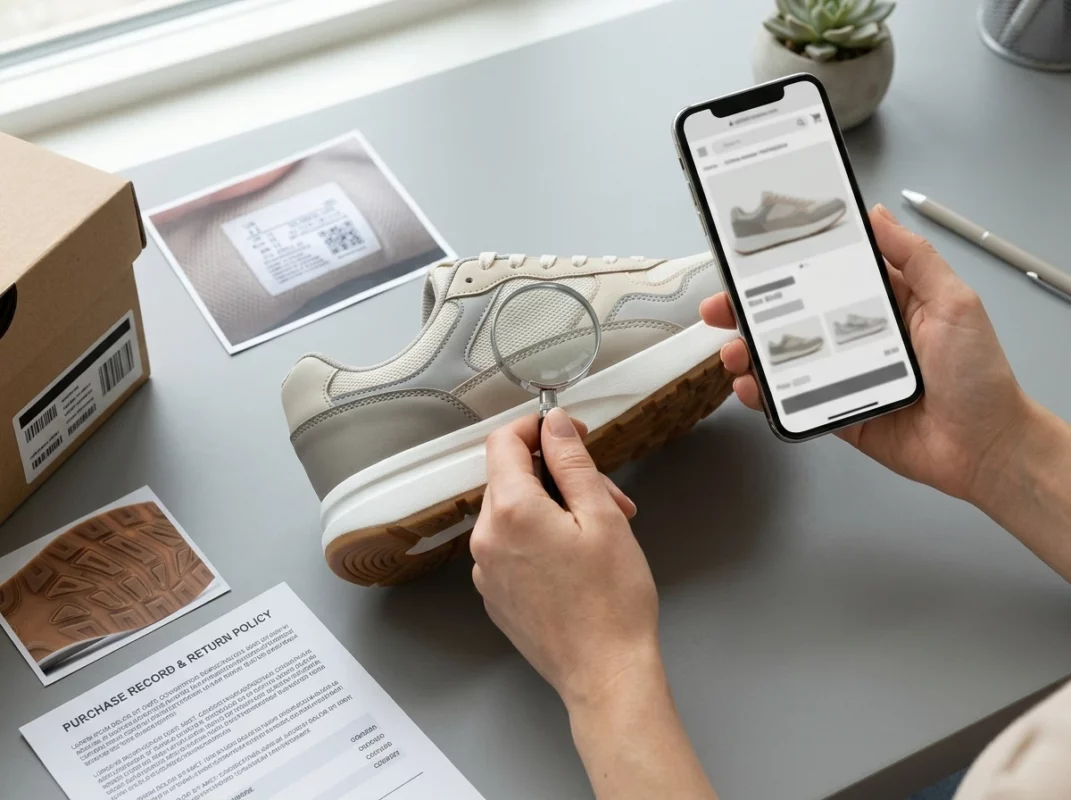
These signals should be combined rather than scored mechanically. A genuine outlet purchase may have a low price. A sophisticated counterfeit may have excellent photos. The goal is not to become certain from one clue; it is to avoid making a high-risk purchase when several clues point in the same direction. Here is an ultimate anti-scam buying guide from TOP REPS for you to check out.
Are reps shoes illegal?
There is no single worldwide answer, and this article is not legal advice. The legal analysis depends on the country, the specific marks, how the shoes are imported or sold, and whether the listing creates consumer confusion.
At a broad level, manufacturing and selling counterfeit products is prohibited in many jurisdictions. INTA states that counterfeiting can lead to civil and criminal penalties, including damages, injunctions, fines, and in some countries imprisonment. In the United States, CBP says it seizes imported goods that violate intellectual-property laws and warns that purchasing, transporting, or importing counterfeit merchandise can carry civil or criminal consequences; it also notes that individual consumers may be liable for a fine even without intending to import a counterfeit.
That does not mean every look-alike shoe is automatically illegal. An independent brand can create a product influenced by a broad fashion trend. The legal risk rises when a seller copies protected branding, labels, packaging, or other source-identifying features, or when the seller misrepresents the product as authentic.
For a real purchase, consult the law of the country where you live, the country from which the item ships, and the rules of the marketplace involved. If the transaction is commercial, high-value, or intended for resale, speak with a qualified intellectual-property or customs lawyer.
What are the main risks of buying reps?
The first risk is not receiving what you think you bought. A listing may use authentic photographs while shipping a different batch, a used pair, a damaged pair, or a product with no meaningful quality control. A low price does not compensate for a failed transaction if the seller disappears.
The second is performance and comfort. A sneaker can look convincing and still have a different last, cushioning system, traction compound, or adhesive. This matters more for people who stand, walk, train, or play sport in the shoes. Visual similarity is not a substitute for tested fit and function.
The third is financial and privacy exposure. Suspicious sellers may collect payment data, identity information, or account credentials. The FTC specifically advises buyers to avoid sellers who insist on gift cards, wire transfers, payment apps, or cryptocurrency because those methods can make recovery difficult.
The fourth is customs and platform risk. A parcel can be delayed, seized, or refused. A marketplace account can be restricted if the transaction violates platform rules. A buyer who later tries to resell the pair may be unable to prove authenticity and may accidentally pass a counterfeit to someone else.
The fifth is supply-chain uncertainty. Authorities and industry organizations warn that counterfeit goods may be produced outside the standards used by legitimate manufacturers. INTA notes that counterfeits can involve unsafe materials or faulty assembly, while CBP links counterfeit commerce to exploitative labor and criminal activity.
When do reps shoes make sense for a buyer?
Reps can be a sensible option when the buyer’s priority is style-per-dollar. Someone who wants a familiar silhouette for casual outfits, travel, or everyday rotation may reasonably prefer a lower-priced pair over an expensive authentic release. The value proposition is strongest when the buyer understands exactly what is being purchased and chooses a supplier that provides useful information instead of making exaggerated promises.
Reps are less suitable when the buyer needs official brand warranty coverage, documented provenance, collector-grade packaging, guaranteed resale value, or performance specifications that must match an authentic product. Those needs justify buying through the brand or an authorized channel. The right choice depends on the job the shoe must do, not on the assumption that every inexpensive pair is either a bargain or a scam.
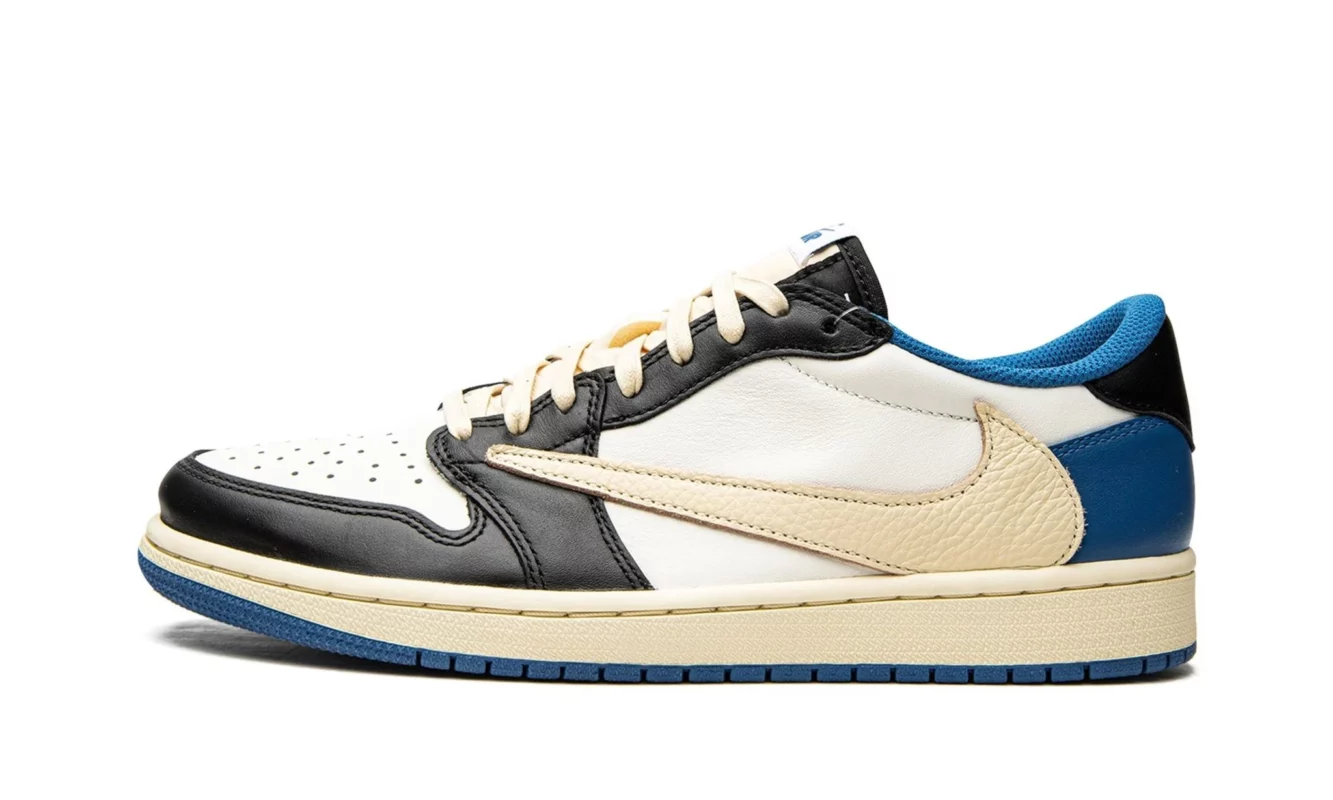
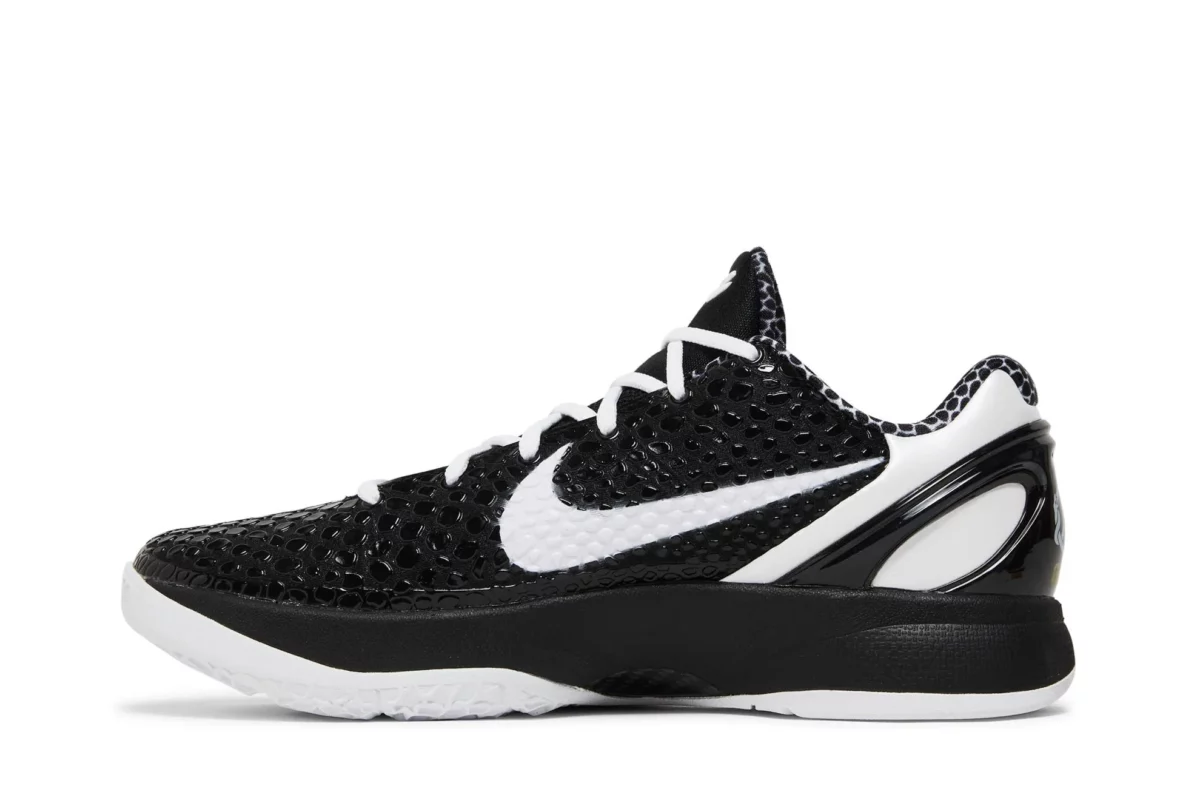
That’s where TOP REPS comes in—delivering the perfect balance of premium 1:1 replica quality and unbeatable value. If you have your eye on a specific pair, browse our collection today. We’re confident you’ll find exactly what you’re looking for.
How should a value-focused buyer evaluate a reps supplier?
A good supplier does more than publish a low price. Before ordering, compare the information available across several listings and ask whether the seller gives you enough detail to make an informed choice.
Product description: Look for the actual model description, available sizes, materials, construction notes, included accessories, and whether the pair is sold as a replica or an independent alternative. A supplier should not imply that an unauthorized pair is an official brand product.
Realistic photography: Real photos of the actual batch are more useful than only polished brand campaign images. Close-ups of the upper, outsole, insole, size label, box, and stitching help buyers understand what they will receive.
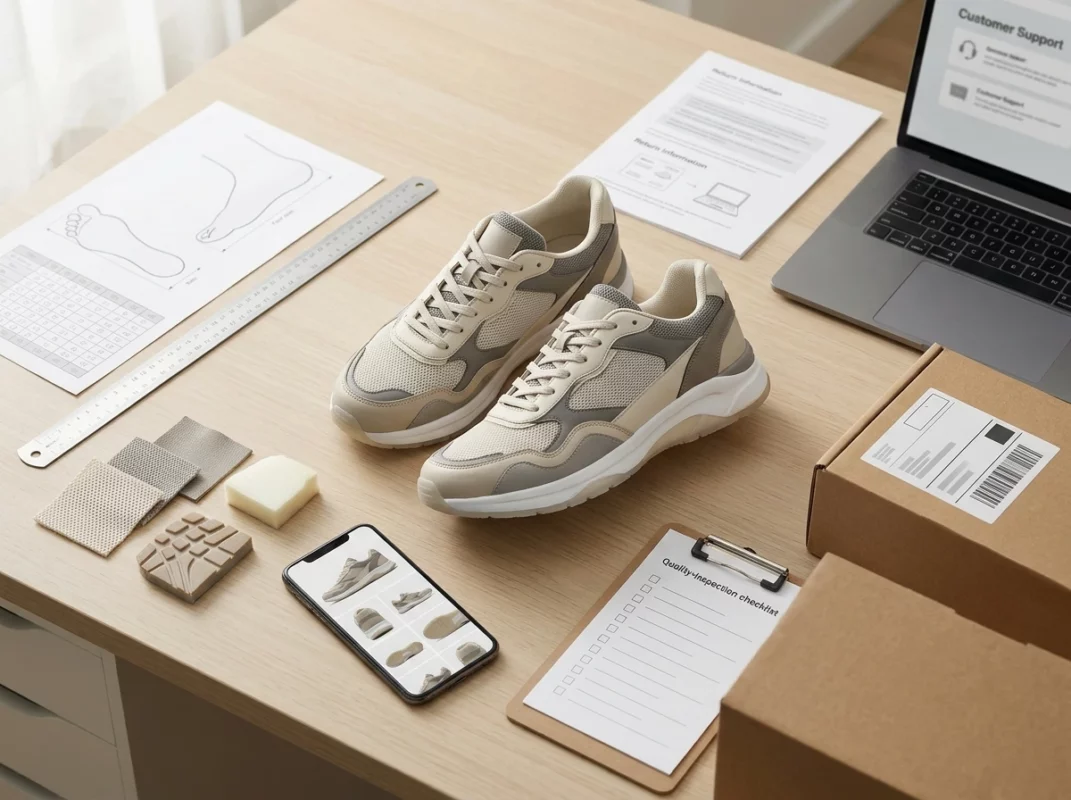
Sizing information: Sizing is one of the most practical value questions. A supplier should publish a size chart, explain whether a model runs small or large, and tell customers how to measure their feet. A cheaper shoe is poor value if the buyer cannot wear it.
Quality consistency: Ask whether the photos represent the current batch. If batches change, the supplier should say so. “1:1” or “top quality” is less useful than specific information about materials, finishing, and inspection.
Shipping and support: Clear delivery estimates, tracking, return conditions, and a responsive contact channel matter as much as the headline price. The FTC advises marketplace buyers to check refund rules, seller contact details, payment protections, and deadlines before purchasing.
No false scarcity or pressure: A trustworthy store should let buyers compare products and make a considered decision. Urgent countdowns, unexplained “customs” instructions, requests to move payment outside the platform, or pressure to misdescribe the item are warning signs—not features of a premium service.
Final Thought
“Reps shoes” generally means replica sneakers: products designed to imitate a recognizable model at a lower price. For shoppers who care most about appearance, variety, and everyday affordability, reps can provide real value—but only when the seller is transparent about what is being sold and the buyer has realistic expectations about quality, warranty, provenance, and resale.
The best rep purchase is not necessarily the cheapest one. It is the pair with a clear description, useful photos, dependable sizing information, reasonable construction for its price, transparent shipping and return terms, and a supplier that does not misrepresent an unauthorized product as genuine. If you need official authenticity, brand support, collector provenance, or resale confidence, choose an authorized or authenticated channel instead. If your priority is getting a wearable look at a lower cost, a carefully selected reps supplier may be the more practical option.
Frequently asked questions
Are reps shoes always poor quality?
No. Some replicas may look and feel close to the reference product, while others may be visibly or functionally poor. But “rep” is not a regulated quality grade. Even a visually strong replica remains uncertain in origin, materials, warranty, and legal status if it uses unauthorized branding.
Are replica shoes the same as factory seconds?
No. “Factory seconds” is a commercial description for products said to have a defect, cosmetic issue, or nonstandard condition. The phrase does not, by itself, prove that the pair was made under a brand’s authorization or passed the brand’s quality-control process. A replica is an imitation. Sellers sometimes use “factory seconds,” “overruns,” or “same factory” to make replicas sound authorized; buyers should ask for documentation rather than assume the claim is true.
Can reps have real brand logos?
They can, and that is one reason the term may describe counterfeit footwear rather than a harmless look-alike. A real-looking logo does not prove authorization. If the brand did not make or approve the item, the logo can create a trademark and consumer-confusion problem.
Can you resell reps?
Reselling a replica as authentic is deceptive and can expose the seller to marketplace, consumer-protection, trademark, and customs consequences. Laws differ on other forms of resale, but the prudent rule is not to represent an unauthorized replica as genuine. Check local law before making any commercial transaction.
Is “UA” proof that shoes are authentic?
No. “UA” is a seller term that may mean “unauthorized authentic,” but it is not an official authentication certificate. It does not independently prove brand authorization, factory origin, material equivalence, or quality-control approval.
Is it safer to buy reps from a marketplace than from a private seller?
A marketplace may provide clearer records, reporting tools, and dispute procedures, but it does not automatically make a counterfeit transaction safe. Check the marketplace’s authenticity policy, seller disclosure, verification process, return window, and buyer protection before paying.

If you want to view our requirements for reps sneakers and understand the quality check criteria, please click here.